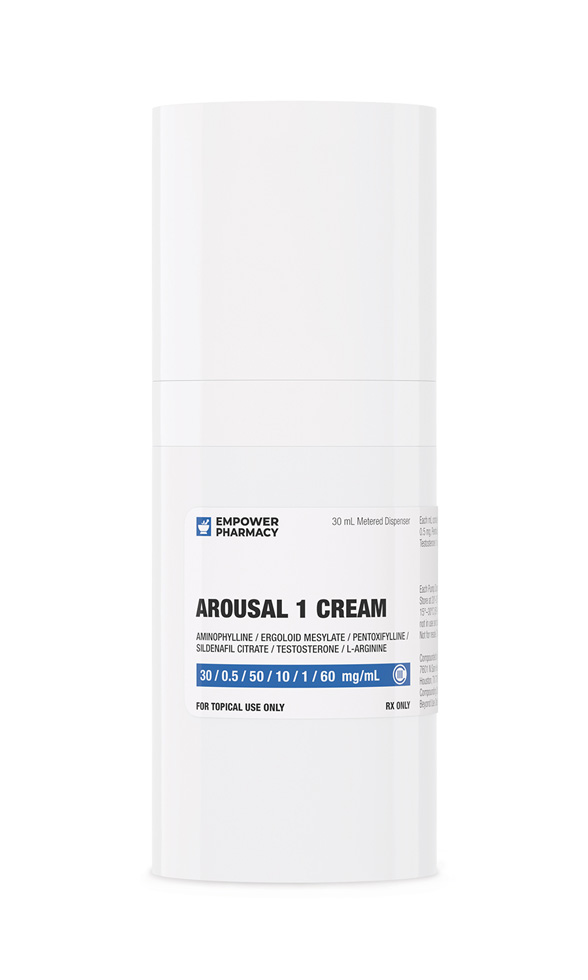
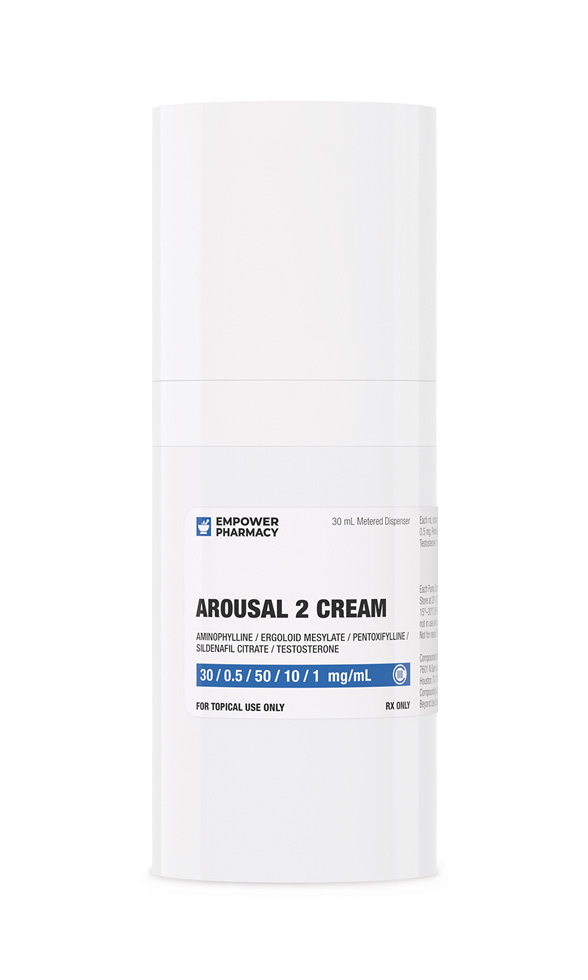
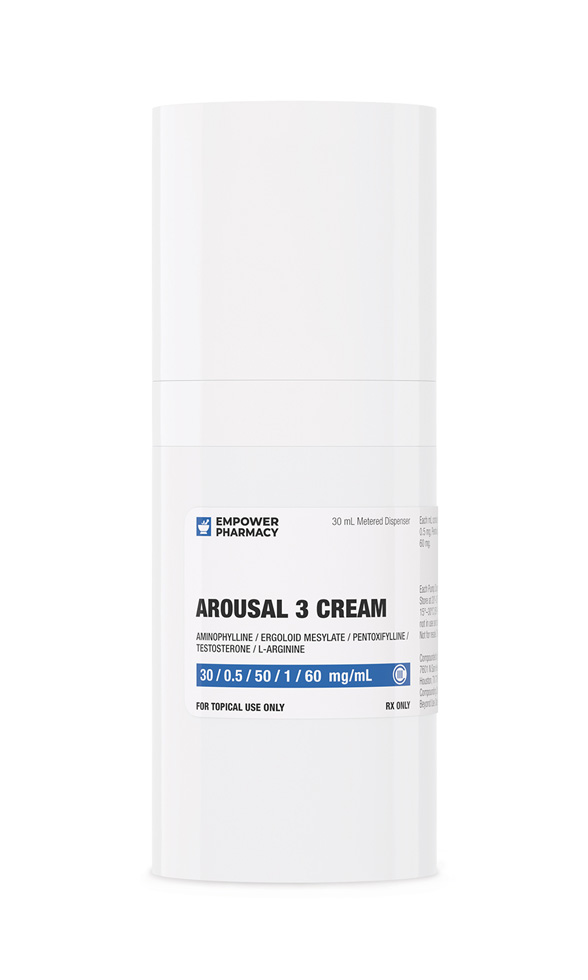
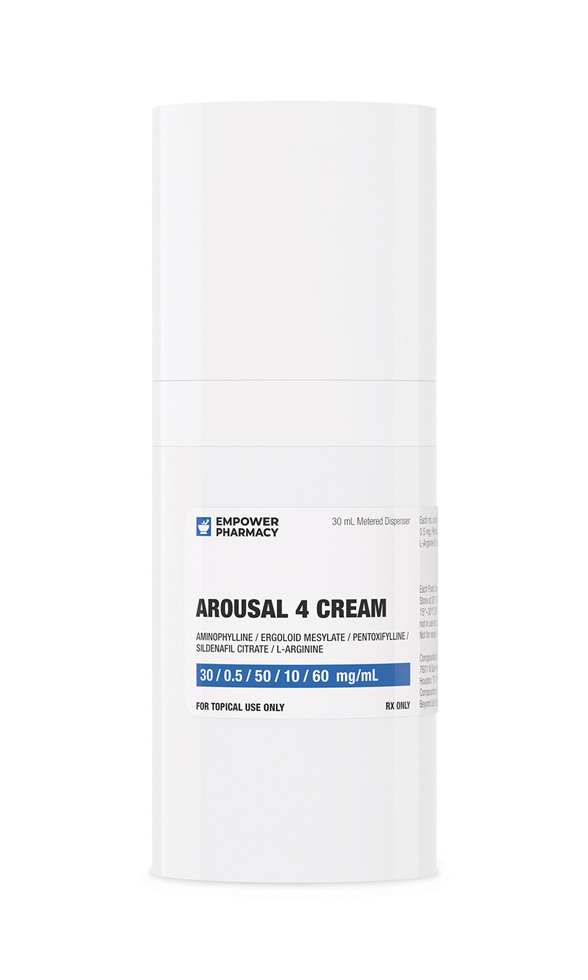
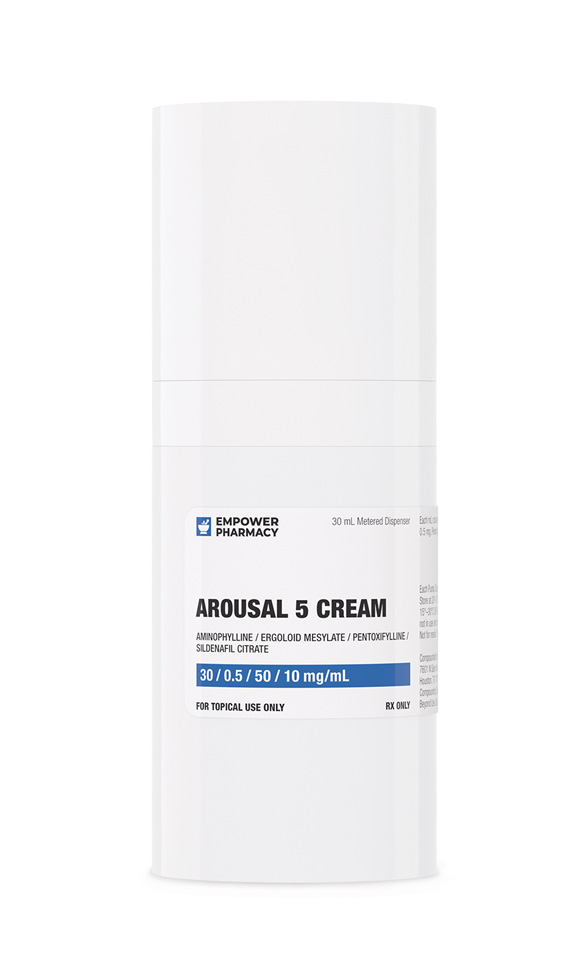
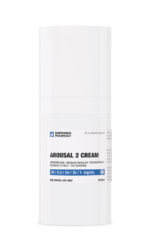
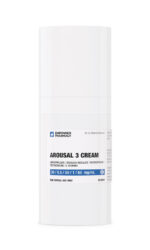
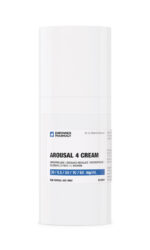
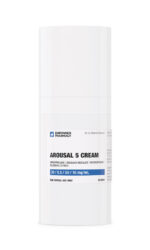
Arousal Cream, which may also go by the name of Scream Cream, is a topical cream that, when applied to the clitoris and/or external genitalia, can increase blood flow to the applied area and has been reported to improve sensitivity and rates of orgasm. Compounded from a mixture of prescription products, Arousal Cream is designed to act locally without substantial absorption into the bloodstream. This transdermal (absorbed through the skin) cream is comprised of up to six different medications and products which include: aminophylline, ergoloid mesylate, L-arginine, pentoxifylline, sildenafil citrate, and testosterone. This synergistic medication draws upon the properties of each ingredient (one bronchodilator, four vasodilators, and the potent sex steroid hormone testosterone) that may provide female libido (sex drive) and sexual stimulation enhancement.
Aminophylline
Theophylline is a xanthine derivative that is used both orally or intravenously in the treatment of apnea of prematurity and as an adjunct agent for patients with asthma. Theophylline occurs naturally in tea and is chemically similar to caffeine and theobromine.1 While theophylline was commonly used to treat asthma in the past, its use is much less common today because there are effective alternatives with better safety profiles. Oral theophylline is not recommended for asthma maintenance therapy in children less than 12 years. In adolescents and adults, low-dose sustained-release oral theophylline is considered an alternate, but not preferred, therapy to the use of inhaled corticosteroids (ICSs) or may be used as an alternate, adjunctive treatment to ICS in those with persistent asthma symptoms.23 Intravenous aminophylline and theophylline are not recommended for the management of acute asthma exacerbations because they appear to provide no additional benefit to optimal inhaled beta2-agonist therapy and may increase risk of adverse effects.2 There is contradictory evidence regarding the effectiveness of low-dose theophylline on exacerbation rates in chronic obstructive pulmonary disease (COPD); in general, the drug has a moderate bronchodilator effect that may result in an additive but mild improvement in FEV1 when added to beta-agonists.
The risk for theophylline toxicity increases at dosages that produce therapeutic benefit. Theophylline and aminophylline are not recommended for the routine treatment of COPD and should not be used in acute COPD exacerbations due to the low efficacy at recommended doses and the potential for adverse reactions and toxicity.4 Theophylline is also approved for the treatment of apnea of prematurity in neonates; however, it is generally a second-line treatment option after caffeine due to its narrow therapeutic window for serum concentrations. Theophylline has been used off-label for the management of renal impairment and facilitation of extubation in neonates, the prevention of apnea during prostaglandin E1 infusion, and the treatment of methotrexate toxicity.56789 Aminophylline, a pro-drug of theophylline, is the form frequently used for IV therapy. Because 100 mg of aminophylline is equivalent to 80 mg of theophylline, errors in dosing are possible, and clinicians should carefully assess dosage adjustments and calculations when switching between aminophylline and theophylline.
Ergoloid Mesylate
Ergoloid mesylates contain a combination of synthetic derivatives of naturally occurring ergot alkaloids (dihydroergocornine, dihydroergocristine, and dihydroergocryptine). Ergoloid mesylates are approved for the symptomatic management of various dementias including vascular dementia, Alzheimer’s disease, and primary progressive dementia. At therapeutic doses, ergoloid mesylates have few side effects and lack the vasoconstrictor properties of the natural ergot alkaloids. Despite a favorable safety profile, the role of ergoloid mesylates in the management of various dementias remains controversial. The majority of studies evaluating ergoloid mesylates for vascular dementia were conducted prior to the development of standardized diagnostic criteria and study results have been inconsistent. Practice guidelines do not support the use of ergoloid mesylates in the treatment of Alzheimer’s disease.
Pentoxifylline
Pentoxifylline is a synthetic dimethylxanthine derivative that is structurally related to theophylline and caffeine. Unlike these agents, pentoxifylline has hematological effects that are useful in the symptomatic treatment of complications of peripheral vascular diseases. Pentoxifylline also has been used to manage acute and chronic cerebrovascular insufficiency, sickle cell disease17, and painful diabetic neuropathy.18 Pentoxifylline was approved by the FDA in August 1984.
Sildenafil
Initially developed for the treatment of pulmonary hypertension, angina, and other cardiovascular conditions, sildenafil citrate was accidentally found to be beneficial in males who suffered from erectile dysfunction (ED). Prior to the discovery of its benefits in treating ED, this condition was considered to be an inevitable part of aging in men or due to underlying psychological causes. After its approval in 1998 by the U.S. Food and Drug Administration for the treatment of ED, the popularity of sildenafil citrate has skyrocketed over the past couple of decades as health care providers generally recommend this medication as the first-line therapy in the management of erectile dysfunction in men. Other contributing factors to its appeal and popularity is that sildenafil citrate can be taken orally on demand, is generally well tolerated, with minimal adverse effects.1
Sildenafil citrate is a vasoactive medication belonging to the drug class of phosphodiesterase – 5 enzymes (PDE-5) inhibitors; it is a competitive antagonist of this enzyme. PDE-5 can be found all over the human body, especially in the corpus cavernosum within the penis, striated and smooth musculature, as well as in platelets. However, PDE-5 has the largest distribution in the penile corpus cavernosum which is why sildenafil citrate is able to work selectively in this part of the body.
Sildenafil citrate is generally administered orally. However, it can also be administered intravenously or sublingually. Even though its most popular clinical indication for use is in the management of erectile dysfunction, it is also used in the management of pulmonary hypertension, persistent pulmonary hypertension of the newborn, Raynaud’s phenomenon resistant to other vasodilators, as well as in the prevention of pulmonary edema at high altitudes. After oral ingestion, absorption of sildenafil citrate rapidly occurs mainly in the small intestine from where it is then transported in the bloodstream to its area of action. Sildenafil citrate is metabolized in the liver through the action of the hepatic isoenzymes cytochrome P450 3A4 and cytochrome P450 2C9. Following hepatic metabolism, the metabolites are excreted mainly in the stool and, to a lesser degree, in the urine.
Sildenafil citrate is classified as a pregnancy category B drug by the Food and Drug Administration. Studies have not demonstrated definite risks to fetuses when sildenafil is administered to pregnant mothers. At present, there are no definite clinical indications that warrant the administration of sildenafil citrate in women. Studies done till date have not indicated that sildenafil citrate has comparable benefits in women as they do in men. There are other studies that are still ongoing, however, and their outcomes may provide further insight regarding the utility and benefits of sildenafil in women.5
Arginine
Arginine hydrochloride is a synthetic derivative of the essential amino acid L-arginine. Arginine hydrochloride may be used as an aid to the detection of growth hormone deficiency in conditions such as panhypopituitarism, pituitary dwarfism, chromophobe adenoma, postsurgical craniopharyngioma, hypophysectomy, pituitary trauma, and in problems with growth and stature. The drug has also been used in the evaluation of pituitary function in gigantism and acromegaly Further, arginine injection is used to treat high ammonia concentrations in patients with urea cycle disorders. Arginine tablets, which are dietary supplements, have been used to improve exercise capacity in patients with stable angina pectoris.19 Arginine injection was originally approved by the FDA in February.
Testosterone
Testosterone is the primary androgen found in the body. Endogenous testosterone is synthesized by cells in the testis, ovary, and adrenal cortex. Therapeutically, testosterone is used in the management of hypogonadism, either congenital or acquired. Testosterone is also the most effective exogenous androgen for the palliative treatment of carcinoma of the breast in postmenopausal women. Testosterone was in use in 1938 and approved by the FDA in 1939. Anabolic steroids, derivatives of testosterone, have been used illicitly and are now controlled substances. Testosterone, like many anabolic steroids, was classified as a controlled substance in 1991. Developed in the United States by Uniumed Pharmaceuticals as AndroGel, testosterone cream was FDA-approved in 2000 for the treatment of testosterone deficiency, which often results in a variety of hypogonadism conditions from mood and energy to sexual dysfunctions, as well as a treatment for several injury-related conditions like those experienced by severe burn and accident victims. A very popular form of testosterone, AndroGel is sold around the world under a couple of less popular brand/trade names most notably Testogel (manufactured in the UK by Laboratoires Besins and distributed by Bayer), Testim (manufactured in the U.S. by Auxilium Pharmaceuticals, Inc.), and various generic versions often sold under the name testosterone cream or gel.
The transdermal delivery system of testosterone gel targets the same, or at least very similar bodily regions as injections and other forms of testosterone. More specifically, maximum absorption of testosterone gel is achieved when (as with injectable testosterone) it’s administered to densely muscled bodily regions. Since greater amounts of muscle at the point of application equates to a higher number of testosterone-absorbing capillaries, testosterone can be more rapidly shuttled into the bloodstream.














 FedEx Courier delivery

Reviews
Clear filtersThere are no reviews yet.